
Introduction
In today’s rapidly evolving digital ecosystem, businesses need innovative, high-performance mobile apps to stay competitive. Whether you're planning to build a startup app, a business solution, or a large-scale enterprise application, choosing the right mobile app development agency in India is crucial. One key factor that sets top agencies apart is their use of modern technologies, frameworks, and tools that ensure speed, functionality, scalability, and outstanding user experience.
India has become a global hub for mobile app development, thanks to its skilled developers, technological expertise, and cost-effective solutions. But what technologies do these agencies actually use to deliver world-class mobile applications? Let’s explore the complete tech stack that powers modern mobile app development in India.
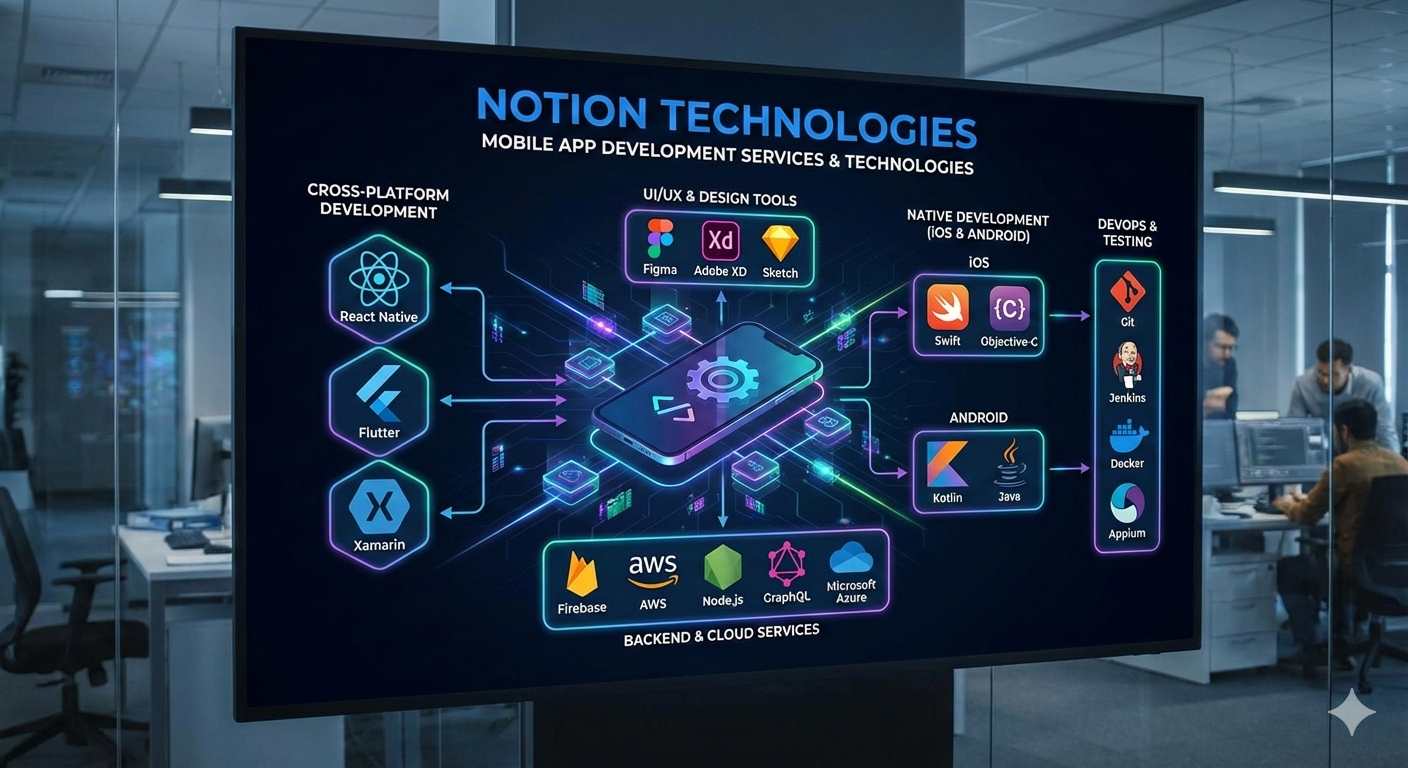
1. Native Mobile App Development Technologies
Native apps are built specifically for one platform—Android or iOS—for optimal performance, speed, and reliability. Leading Indian agencies use the following technologies:
iOS App Development
Swift: The most widely used language for iOS app development today. It’s fast, modern, secure, and offers excellent performance.
Objective-C: An older language still used for maintaining legacy apps.
Xcode: Apple’s official IDE used for designing, coding, testing, and debugging iOS applications.
Android App Development
Kotlin: A modern, powerful, and Google-recommended language for Android apps.
Java: Still widely used, especially for older and enterprise-level apps.
Android Studio: The official IDE that supports extensive tools, libraries, and device compatibility testing.
Native technologies are essential when businesses need maximum performance and deep hardware-level integration.
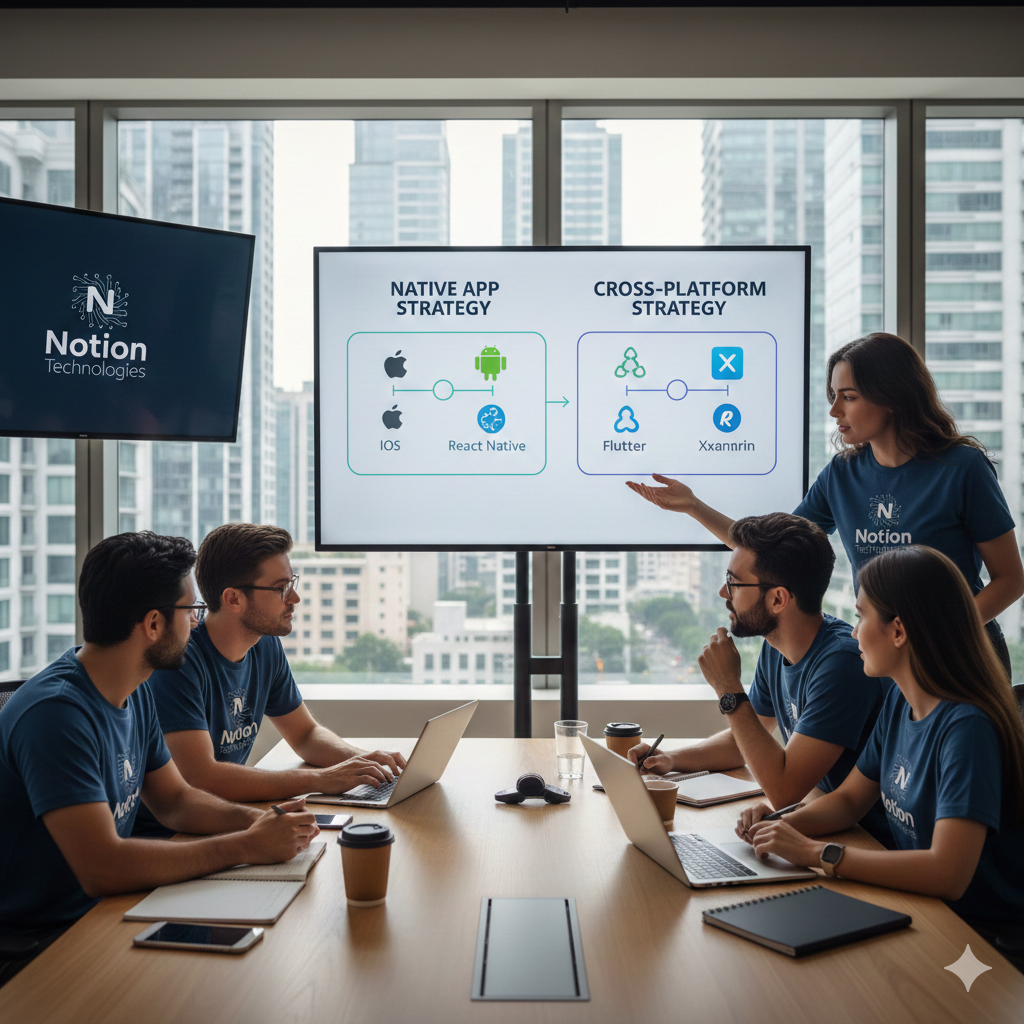
2. Cross-Platform App Development Technologies
Not every business wants two separate apps for Android and iOS. This is where cross-platform development becomes the ideal choice. A mobile app development agency in India often uses top cross-platform frameworks that allow developers to write a single codebase for multiple platforms.
Popular Cross-Platform Frameworks:
Flutter
Developed by Google
Uses Dart programming language
Provides near-native performance
Hot reload for faster UI development
Highly responsive and visually rich apps
Flutter is one of the most popular choices because it reduces development time and offers beautiful UI components.
React Native
Developed by Facebook
Uses JavaScript
Allows sharing up to 90% of code across Android & iOS
Large community and library support
React Native is ideal for businesses needing high-quality apps with quicker development cycles.
Xamarin
Powered by Microsoft
Uses C# for app development
Great for enterprise-grade applications
Ionic
Built on HTML, CSS, JavaScript
Works well for lightweight, web-based mobile apps
These technologies help create robust, cost-effective, multi-platform applications.
3. Hybrid App Development Technologies
Hybrid technologies combine web technologies with native functionality. They are ideal for apps that need rapid development, low cost, and multi-platform support.
Popular Hybrid Technologies:
Apache Cordova
Ionic Framework
PhoneGap (legacy)
Framework7
Hybrid apps are typically more affordable and easier to maintain, making them a popular choice for startups.
4. Backend Development Technologies
Behind every powerful mobile app is a strong backend system that handles authentication, data storage, APIs, and server communication.
Backend Programming Languages:
Node.js – Popular for real-time applications
Python (Django, Flask) – Secure and scalable
PHP (Laravel, CodeIgniter) – Cost-effective
Java (Spring Boot) – Enterprise-level strength
Ruby on Rails – Fast and developer-friendly
.NET Core – Ideal for large-scale business apps
Databases:
MySQL
PostgreSQL
MongoDB
Firebase Realtime Database
SQLite
Redis
Cloud Platforms:
AWS
Google Cloud
Microsoft Azure
These technologies ensure that apps are stable, scalable, and secure.
5. API Integration Technologies
Mobile apps often need third-party features such as:
Payment gateways
Maps
Chat
Social login
Analytics
Cloud storage
Agencies in India commonly use:
RESTful APIs
GraphQL APIs
SOAP APIs (for legacy enterprise systems)
APIs enhance the app’s functionality and improve user experience.
6. UI/UX Designing Tools
Top agencies invest heavily in user experience by using best-in-class design tools.
Popular UI/UX Tools:
Figma – Collaborative design and prototyping
Sketch – Favored for iOS UI design
Adobe XD – Prototyping and wireframing
InVision – Interactive design
Zeplin – Developer handoff tool
These tools help create visually stunning, intuitive, and user-friendly app interfaces.
7. Testing & Quality Assurance Tools
Quality assurance is essential for delivering a flawless app. Agencies use a blend of manual and automated testing tools, including:
Mobile App Testing Tools:
Appium – Automated testing
Selenium – Web and hybrid apps
TestComplete – Automated testing suite
JUnit – Unit testing for Java-based apps
Espresso – Android UI testing
XCTest – iOS UI testing
Firebase Test Lab – Tests on real devices
These tools ensure the app works smoothly across devices, browsers, and operating systems.
8. DevOps & Automation Tools
To ensure smooth development and deployment, agencies use modern DevOps tools:
Jenkins – CI/CD
Docker – Container management
Kubernetes – App scaling & orchestration
Git & GitHub/GitLab – Version control
Bitbucket – Repository management
DevOps tools speed up development, reduce bugs, and enhance team collaboration.
9. App Security Technologies
Security is crucial, especially for apps that handle sensitive data.
Agencies implement:
SSL/TLS encryption
OAuth 2.0 authentication
JWT tokens
Biometric authentication
Penetration testing
Secure backend frameworks
A secure app protects both users and businesses from cyber threats.
10. Emerging & Advanced Technologies
India’s top agencies also leverage cutting-edge technologies to build future-ready applications.
AI & Machine Learning
Chatbots
Recommendation engines
Predictive analytics
Facial recognition
AR/VR
Virtual shopping experiences
Interactive learning apps
IoT
Smart home apps
Healthcare monitoring apps
Blockchain
Secure transaction systems
Decentralized apps (DApps)
These technologies elevate app functionality and differentiate brands in competitive markets.
Conclusion
Choosing a reliable mobile app development agency in India ensures you get access to world-class technologies, modern frameworks, and powerful tools that bring your app idea to life. From native development tools to advanced AI and cloud technologies, Indian agencies have the expertise to build high-performing, secure, and scalable applications. For businesses seeking an experienced partner that combines innovation with technical excellence, Notion Technologies delivers mobile solutions built to last.
FAQs
1. Which technology is best for mobile app development?
It depends on your app’s goals—Flutter and React Native are great for cross-platform apps, while Swift and Kotlin are best for native development.
2. Do Indian agencies use the latest mobile app technologies?
Yes. India is a global technology hub known for using the latest frameworks, cloud solutions, and modern development tools.
3. Which backend language is best for mobile apps?
Node.js, Python, Java, and .NET are the most popular choices depending on your app’s scalability requirements.
4. How do agencies ensure app security?
They use encryption, secure authentication, penetration testing, and strong backend architectures.
5. Can agencies build apps with AI, AR, or IoT features?
Yes. Most top agencies offer advanced tech solutions including AI integration, IoT support, AR/VR development, and blockchain.
Read Our Previous Blog-------------> What services does the best mobile app development company provide?








Write a comment ...