
Introduction
In today’s digital-first world, businesses rely heavily on mobile applications to connect with customers, streamline operations, and increase revenue. Whether it’s an eCommerce platform, healthcare app, or enterprise solution, choosing the right technologies plays a vital role in performance and scalability. Many companies turn to mobile app development services to build reliable, feature-rich applications using modern frameworks and tools.
This blog explores the core technologies used in mobile app development, how they impact app quality, and why selecting the right tech stack is essential for long-term success.
Understanding the Mobile App Development Technology Stack
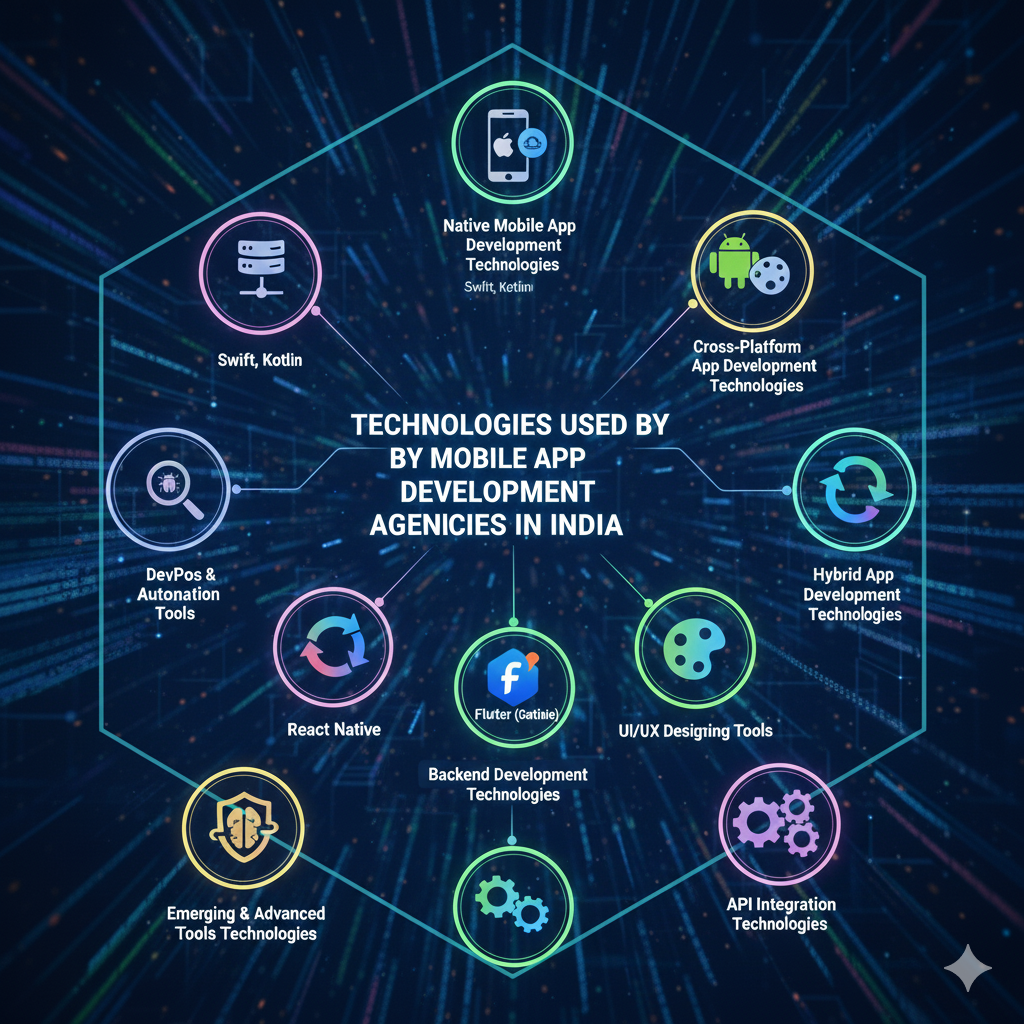
A technology stack refers to the combination of programming languages, frameworks, platforms, and tools used to create an application. Mobile app development typically involves:
Frontend development
Backend development
Databases
APIs and integrations
Testing tools
Deployment platforms
Professional developers carefully select these components based on project requirements, target platforms, and scalability needs.
Native App Development Technologies
Native apps are built specifically for one operating system, offering high performance and seamless user experience.
Android Development
For Android apps, developers commonly use:
Kotlin
Java
Android Studio
Jetpack libraries
These tools allow access to device features such as camera, GPS, and notifications while ensuring smooth performance.
iOS Development
iOS applications are typically developed using:
Swift
Objective-C
Xcode
Apple SDKs
Native iOS apps benefit from Apple’s optimized ecosystem and strong security standards.
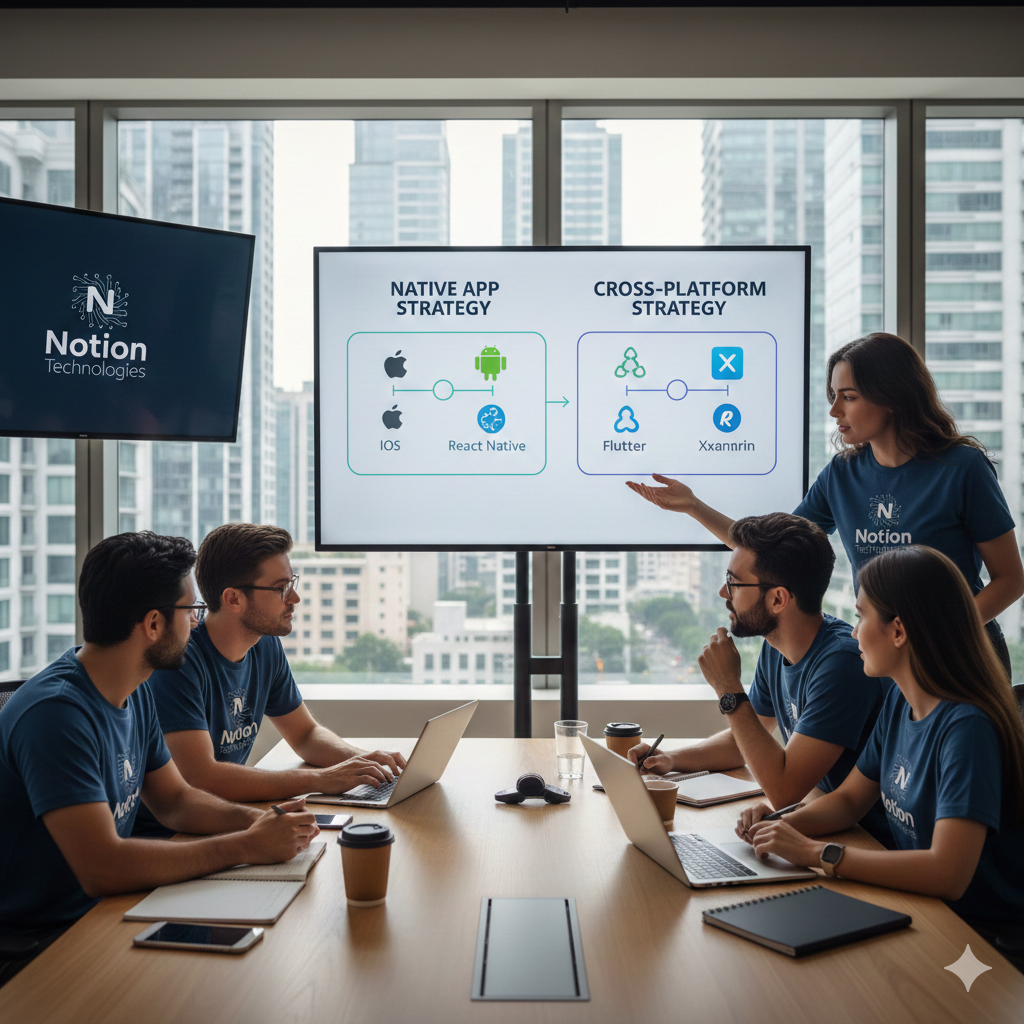
Cross-Platform Development Frameworks
Cross-platform frameworks enable developers to create apps for multiple platforms using a single codebase, reducing development time and cost.
Popular frameworks include:
Flutter
React Native
Xamarin
Ionic
In the middle of many modern projects, businesses using mobile app development services often choose cross-platform solutions to reach both Android and iOS users efficiently.
Backend Technologies for Mobile Apps
The backend manages data storage, authentication, business logic, and server communication.
Common backend technologies include:
Programming Languages
Node.js
Python
PHP
Java
Ruby
Frameworks
Express.js
Django
Laravel
Spring Boot
These technologies power APIs, manage databases, and ensure secure communication between the app and servers.
Database Technologies
Databases store user data, content, and application records. Depending on requirements, developers choose between relational and non-relational databases.
Popular options include:
MySQL
PostgreSQL
MongoDB
Firebase Realtime Database
SQLite
Cloud-based databases are increasingly popular for their scalability and reliability.
Cloud Platforms and Hosting
Modern apps rely heavily on cloud infrastructure for performance and scalability.
Common cloud providers:
Amazon Web Services (AWS)
Google Cloud Platform
Microsoft Azure
Firebase
Cloud platforms support features like real-time updates, file storage, push notifications, and auto-scaling.
API Integration Technologies
APIs allow mobile apps to communicate with external services such as payment gateways, CRMs, analytics platforms, and social media.
Frequently used API technologies include:
RESTful APIs
GraphQL
SOAP
These integrations expand app functionality and enhance user experience.
UI/UX Design Tools
User interface and experience design are critical to app success. Designers use tools such as:
Figma
Adobe XD
Sketch
InVision
These tools help create interactive prototypes and visually appealing layouts before development begins.
Testing and Quality Assurance Tools
Quality testing ensures apps perform smoothly across devices and operating systems.
Common testing tools:
Appium
Selenium
TestFlight
Firebase Test Lab
JUnit
Automated and manual testing processes identify bugs, improve stability, and enhance usability.
DevOps and Deployment Technologies
DevOps tools streamline development, testing, and deployment cycles.
Popular DevOps tools include:
GitHub and GitLab
Jenkins
Docker
Kubernetes
CI/CD pipelines
These technologies enable faster releases and consistent updates.
Security Technologies
Security is a top priority for mobile apps, especially those handling sensitive data.
Security measures include:
SSL encryption
OAuth authentication
Biometric authentication
Secure APIs
Regular vulnerability testing
Professional teams implement robust security practices to protect user data and ensure compliance.
Emerging Technologies in Mobile App Development
Mobile app development continues to evolve with new technologies such as:
Artificial Intelligence and Machine Learning
Augmented Reality and Virtual Reality
Internet of Things (IoT)
Blockchain integration
These innovations allow businesses to deliver smarter, more engaging applications.
Choosing the Right Technology Stack
The ideal tech stack depends on:
Business goals
Target audience
Budget
Timeline
Scalability requirements
Professional developers evaluate these factors to recommend the most suitable technologies for each project.
Why Professional Expertise Matters
Mobile app development services, with so many technologies available, selecting the wrong stack can lead to performance issues and higher costs. Experienced development teams understand how to combine tools effectively, ensuring long-term success and maintainability.
Partnering with experts allows businesses to focus on growth while technical professionals handle development complexities.
Conclusion
Mobile app development relies on a diverse range of technologies, from native programming languages and cross-platform frameworks to cloud infrastructure and security tools. Each component plays a crucial role in delivering fast, scalable, and secure applications. By leveraging modern mobile app development services, businesses can build powerful digital solutions tailored to their goals. Working with a trusted provider like Notion Technologies ensures access to the latest tools, expert guidance, and high-quality app development from concept to launch.
Frequently Asked Questions (FAQ)
1. What technologies are commonly used in mobile app development services?
Mobile app development services use technologies such as Swift, Kotlin, Flutter, React Native, Node.js, cloud platforms, and modern databases.
2. Are cross-platform frameworks part of mobile app development services?
Yes, mobile app services often use cross-platform frameworks like Flutter and React Native to build apps for multiple platforms.
3. Do mobile app development services include backend technologies?
Yes, mobile app services typically include backend development using technologies like Node.js, Python, and cloud databases.
4. Can mobile app development services integrate AI and emerging technologies?
Yes, mobile app development services can integrate AI, IoT, AR/VR, and blockchain based on business requirements.
5. How do mobile app development services ensure app security?
Mobile app development services implement encryption, secure APIs, authentication systems, and regular testing to protect user data.
6. Why is choosing the right technology important in mobile app development services?
Choosing the right technology in mobile app development services ensures performance, scalability, and long-term maintainability of applications.
Read Our Previous Blog-------------> Can professional SEO services in Mumbai help e-commerce websites?












Write a comment ...