
Introduction
When businesses plan to create a mobile application, one of the most important decisions is whether to go with a native app, a cross-platform app, or both. Many companies wonder if the best mobile app development company can handle both types of development while ensuring performance, scalability, and user satisfaction. The answer is yes—professional app development companies offer expertise in building both native and cross-platform apps, tailoring solutions to client requirements and business objectives.
Choosing the right development approach impacts not only cost and timeline but also user experience, performance, and future scalability.
Understanding Native and Cross‑Platform Apps
Before deciding which approach to take, it’s essential to understand the difference between native and cross-platform development.
Native Apps
Native apps are built specifically for one platform—either iOS or Android—using platform-specific programming languages (Swift or Objective-C for iOS, Java or Kotlin for Android).
Benefits of Native Apps:
Optimal performance and speed
Access to device-specific features (camera, GPS, sensors)
Smooth user experience tailored to the platform
Better app store visibility and compliance
Limitations:
Development cost can be higher as separate codebases are needed for each platform
Longer development timelines for multi-platform deployment
Cross‑Platform Apps
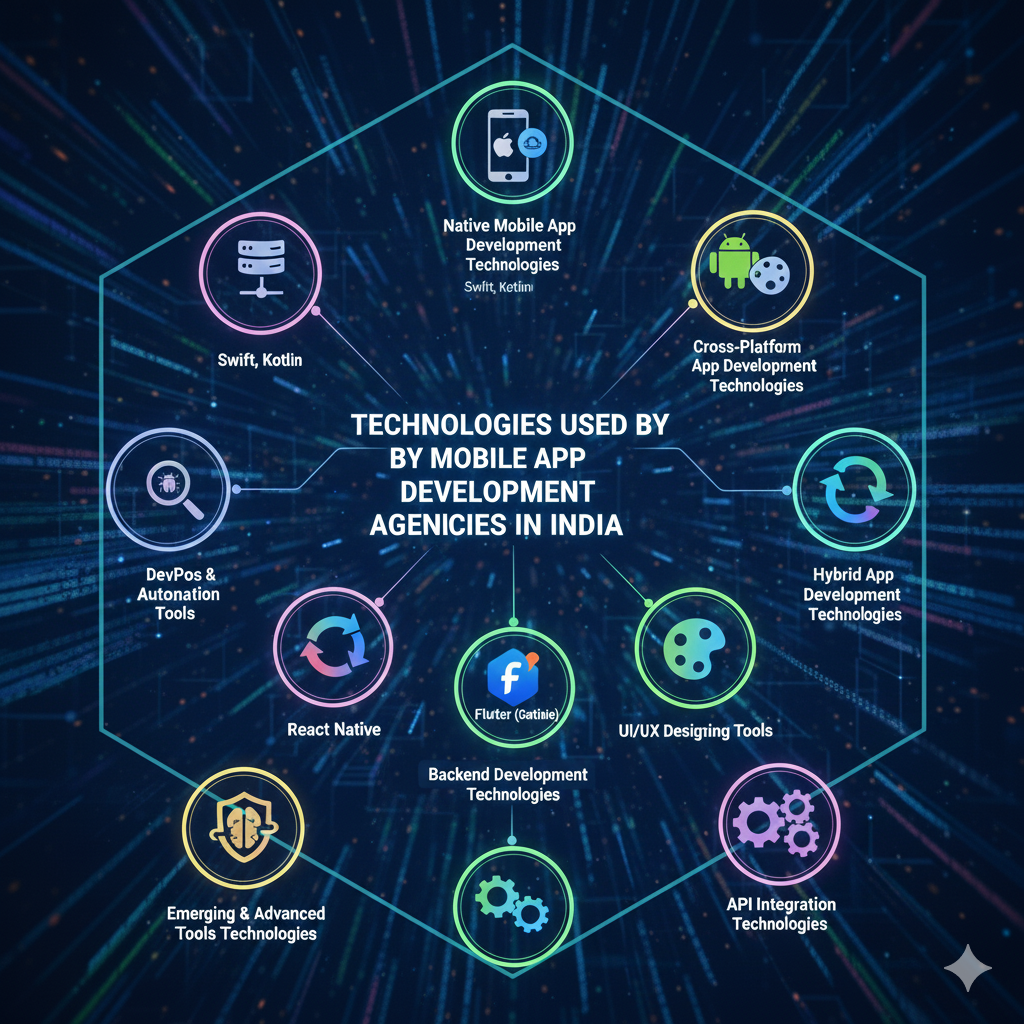
Cross-platform apps use a single codebase to run on multiple platforms. Frameworks like React Native, Flutter, and Xamarin allow developers to create apps for iOS and Android simultaneously.
Benefits of Cross-Platform Apps:
Faster development time
Lower cost due to a single codebase
Easier maintenance and updates
Consistent experience across platforms
Limitations:
Slightly lower performance compared to fully native apps
Limited access to certain device-specific features
UX may not be fully optimized for each platform
How a Professional Mobile App Development Company Handles Both
The best mobile app development companies have teams skilled in both native and cross-platform development. Their expertise allows them to recommend the right approach based on the client’s goals, budget, and technical requirements.
Assessment and Consultation
A professional company starts with a thorough consultation:
Understands business goals, target audience, and required features
Analyzes market competition and platform requirements
Advises on native vs. cross-platform based on performance needs, budget, and timeline
Design and User Experience
Regardless of the development approach, UX design is a priority. Native apps follow platform-specific design guidelines (Material Design for Android, Human Interface Guidelines for iOS), while cross-platform apps aim for a consistent, intuitive experience across devices.
Development Expertise
A full-service mobile app company typically includes:
iOS developers for native Swift/Objective-C apps
Android developers for native Kotlin/Java apps
Cross-platform developers skilled in React Native, Flutter, or Xamarin
This versatility ensures the company can deliver the optimal solution for any client requirement.
Testing and Quality Assurance
Testing is integrated throughout the development process. QA teams perform:
Functional testing
Performance and load testing
Compatibility testing across devices and platforms
Usability testing to ensure smooth user experience
Security testing for data protection
Both native and cross-platform apps undergo rigorous QA to meet high-quality standards.
Maintenance and Support
Post-launch support is critical. Professional developers provide:
Regular updates for OS compatibility
Bug fixes and performance improvements
Feature additions and scalability enhancements
This ensures the app remains reliable and competitive over time.
Factors Influencing the Choice Between Native and Cross‑Platform
When building a mobile app, companies consider several factors to choose the best approach:
Budget
Cross-platform development is typically more cost-effective because a single codebase works for both iOS and Android. Native apps may be more expensive due to separate development efforts.
Timeline
Cross-platform apps can be developed faster, making them ideal for startups or businesses seeking a quick market launch. Native apps require longer timelines for each platform.
Performance
Apps requiring high performance, advanced graphics, or complex interactions are often better built natively. Gaming, AR, and heavy multimedia apps usually benefit from native development.
Platform Features
Apps that rely heavily on device-specific features—such as biometric authentication, GPS, or sensors—may require native development for optimal integration.
Long-Term Maintenance
Cross-platform apps offer simpler maintenance with a single codebase, while native apps require separate updates for each platform, which can increase long-term maintenance efforts.
Trends in Native and Cross-Platform Development
Modern frameworks have reduced performance gaps between native and cross-platform apps. Flutter and React Native, in particular, allow near-native performance while maintaining the benefits of a single codebase.
Professional app companies stay updated with trends to provide clients with scalable and future-ready solutions.
Advantages of Choosing a Company That Builds Both
Partnering with a mobile app company skilled in both approaches offers several benefits:
Flexibility to choose the most suitable approach
Expertise in multiple programming languages and frameworks
Ability to deliver hybrid strategies (starting with cross-platform, scaling to native later)
Comprehensive post-launch support
Access to industry best practices and latest technologies
Common Misconceptions About Mobile App Development Approaches
Cross-Platform Apps Are Inferior
While early cross-platform frameworks had limitations, modern tools like Flutter and React Native deliver high-performance apps with excellent UX.
Native Apps Are Always Better
Native apps are ideal for performance-critical applications, but cross-platform apps offer a cost-effective and faster solution for many business scenarios.
One Company Cannot Handle Both
Professional mobile app companies often have multi-skilled teams capable of delivering both native and cross-platform apps effectively.
How the Best Mobile App Development Company Ensures Success
To deliver high-quality apps, top companies follow structured development methodologies:
Agile development for iterative and adaptive progress
Continuous testing and QA at each stage
Clear communication and project transparency
Post-launch maintenance and analytics integration
Scalability planning to support future growth
By following these practices, businesses get apps that perform well, delight users, and achieve strategic goals.
Conclusion
The best mobile app development company is equipped to build both native and cross-platform apps, providing tailored solutions based on business goals, budget, and technical requirements. From consultation and design to development, QA, and maintenance, professional services ensure high-quality, reliable, and scalable apps. Partnering with experts enables businesses to leverage the benefits of both approaches while delivering exceptional user experiences. For organizations seeking versatile and skilled development expertise, Notion Technologies demonstrates how a comprehensive approach to app development drives long-term success.
Frequently Asked Questions (FAQs)
1. Can one company handle both native and cross-platform apps?
Yes, professional mobile app companies have teams skilled in both development approaches.
2. Which is better: native or cross-platform?
It depends on app complexity, budget, timeline, and performance requirements.
3. Are cross-platform apps slower than native apps?
Modern frameworks like Flutter and React Native deliver near-native performance for most apps.
4. Can cross-platform apps access device-specific features?
Yes, but highly advanced features may require some native integration.
5. How long does it take to develop a native app?
Development time varies but is generally longer than cross-platform due to separate codebases.
Read Our Previous Blog------------->What tools do Mumbai SEO services use to improve rankings?













Write a comment ...